




Introduction
Metal scrap plays a crucial role in the global recycling industry. Instead of mining new raw materials, manufacturers use recycled metals to reduce costs and environmental impact. India has emerged as an important hub for metal scrap trading and export, supplying high-quality scrap materials to recycling plants and smelters worldwide.
Exporting scrap metals from India allows international buyers to access reliable supplies of recyclable materials used in steel production, copper manufacturing, and aluminium processing.
Common Metal Scrap Exported from India
Indian scrap exporters deal in a variety of metal scrap grades used in recycling industries.
Copper Scrap
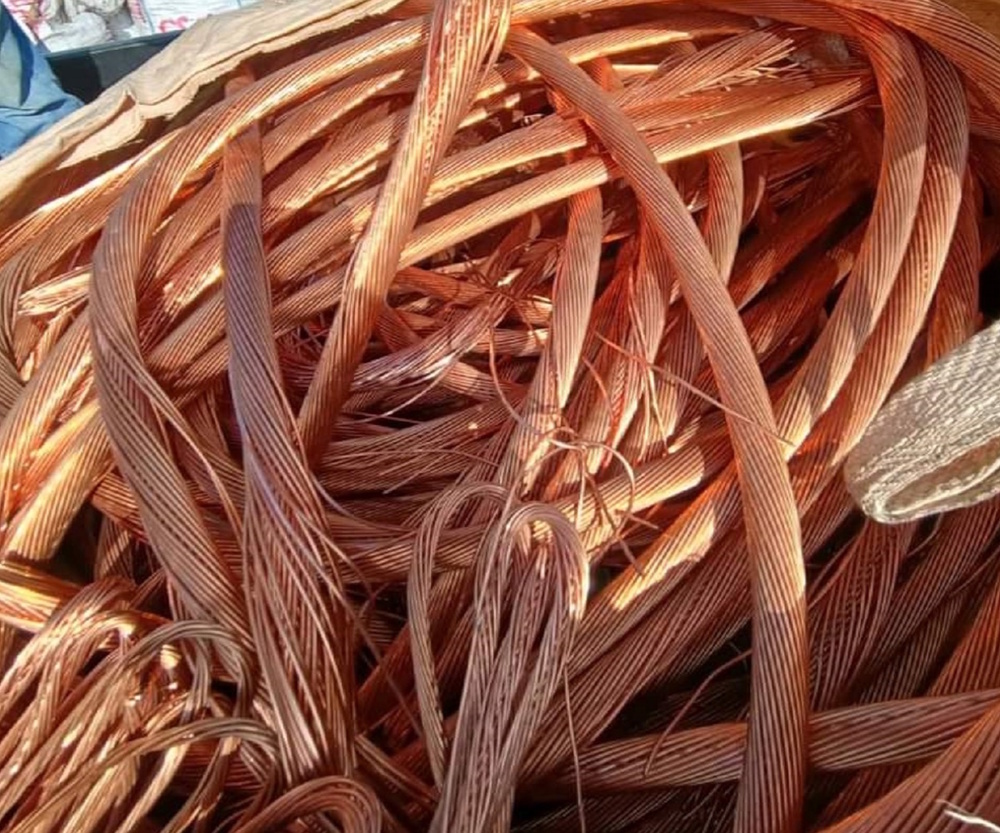
Copper scrap such as Millberry copper wire scrap is widely traded internationally. It is used to produce new copper wires, rods, and electrical components.
Aluminium Scrap
Aluminium scrap, including Tense and Taint Tabor grades, is used in aluminium smelting and alloy manufacturing.
Brass Scrap
Brass scrap like Honey grade brass is commonly used in plumbing fixtures, hardware, and industrial components.
Stainless Steel Scrap
Stainless steel scrap is an important raw material for producing stainless steel products and industrial equipment.
Steel Scrap
Heavy Melting Scrap (HMS 1 & HMS 2) is widely exported for steel manufacturing and foundry operations.
Benefits of Scrap Metal Export
Exporting scrap metals provides several advantages for global industries:
Cost Efficiency
Recycled metals are significantly cheaper than newly mined materials.
Sustainability
Scrap recycling reduces mining and environmental impact.
Energy Savings
Producing metals from scrap requires less energy compared to extracting new metals.
Circular Economy
Scrap trade supports sustainable resource management worldwide.
How Scrap Metal Is Exported
Scrap metal export requires strict handling and compliance to ensure quality and safety.
Collection and Sorting
Scrap materials are collected from industrial sources and carefully sorted by metal type and grade.
Processing
Scrap is cleaned, shredded, or compressed into bales to make transportation easier.
Quality Inspection
Exporters inspect scrap materials to ensure they meet international standards such as ISRI scrap grades.
Export Packaging
Scrap metals are packed in compressed bales, containers, or bulk shipments.
International Shipment
Scrap is exported to recycling facilities and smelters in global markets.
Major Importers of Metal Scrap
Indian scrap exporters supply materials to recycling industries across several regions:
-
Turkey
-
UAE
-
China
-
Malaysia
-
South Korea
-
European Union
These countries have large metal recycling industries with strong demand for scrap materials.
Conclusion
Metal scrap export from India plays a vital role in the global recycling economy. By supplying high-quality recyclable metals such as copper, aluminium, brass, and steel scrap, Indian exporters help industries reduce costs and promote sustainable manufacturing.
As demand for recycled materials continues to grow worldwide, India remains a key partner in the international scrap metal trade.